Branding for the Metaverse: Are Virtual Identities the Future?
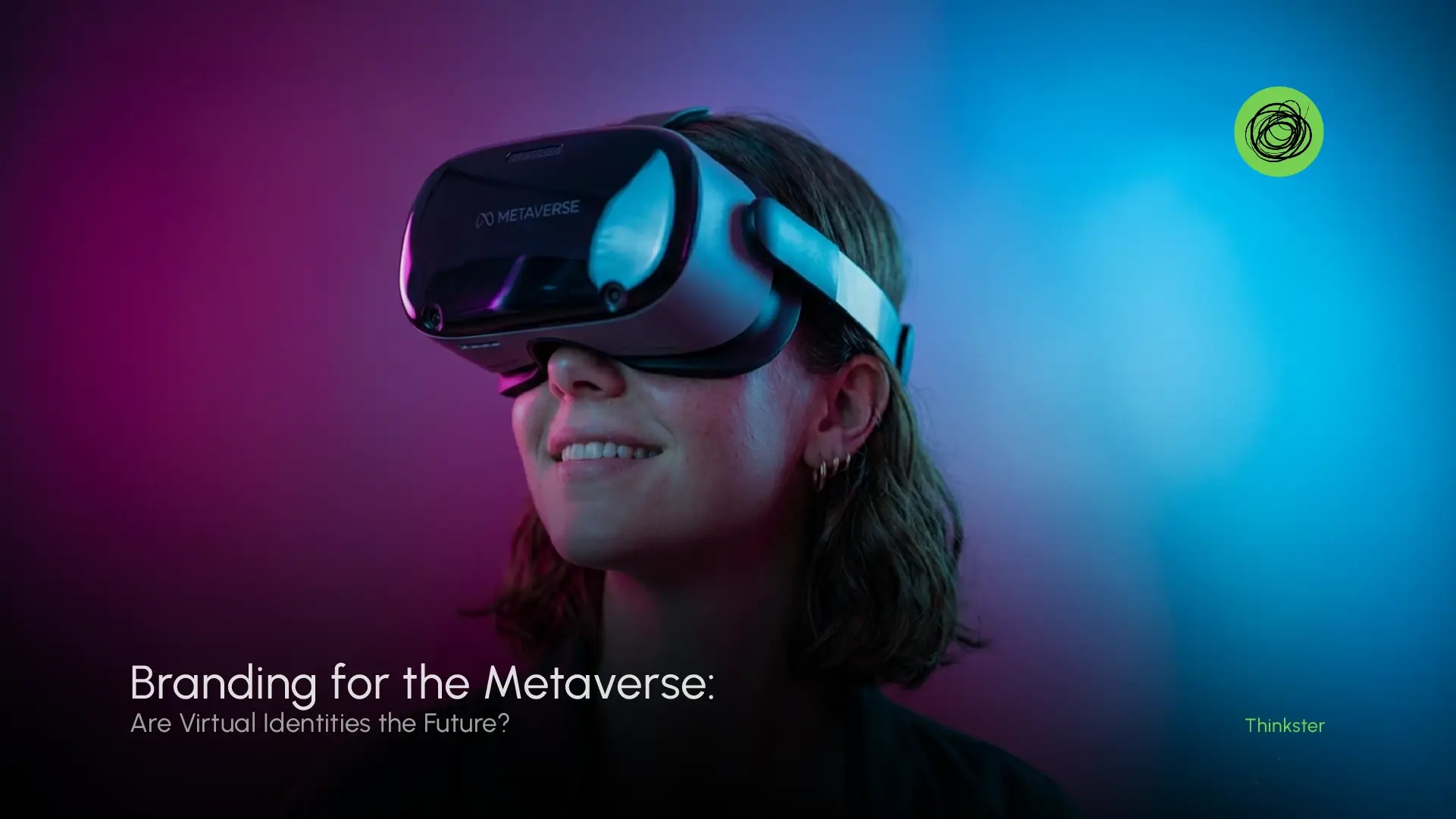
The digital world has always been a playground for brands, but the arrival of the metaverse has cranked the volume up to levels never imagined before.
We’re no longer just liking, sharing, or scrolling we’re stepping inside brand worlds, talking to digital avatars, and buying virtual sneakers that may never physically touch our feet. This brave new world raises a big, shimmering question: what does Branding for the Metaverse really look like, and are Virtual Identities the key to unlocking its potential?
At Thinkster, we’ve been helping brands decode the rapidly shifting landscape of digital marketing. But the metaverse? That’s where the lines between creativity, technology, and human identity blur completely. In this blog, we’re diving deep into how Metaverse Branding works, why Digital Avatars matter, and how businesses can position themselves for the future of identity-driven experiences. Spoiler: it’s not about logos anymore it’s about creating entire worlds.
From Clicks to Worlds:The Rise of Metaverse Branding
Back in the early days of social media, it was enough to have a witty bio and a catchy profile picture. Fast forward to today, and users are no longer satisfied with passive interactions. They want immersive experiences where they can be part of the brand’s story sometimes literally walking through it. That’s where Metaverse Branding comes in.
In the metaverse, branding isn’t a banner ad slapped on a virtual wall. It’s a three-dimensional, interactive experience where your audience can embody your brand. Think of it as moving from being a sponsor at a concert to being the architect of an entire festival ground where fans gather, dance, and build community. For brands, this means reimagining identity, storytelling, and customer engagement.
And here’s where Thinkster steps in. As digital marketers who thrive on storytelling and strategy, we’re not just teaching brands how to exist in the metaverse we’re helping them thrive by crafting immersive environments that go beyond just being cool. We’re building lasting impressions where customers return not for promotions but for experiences.
Virtual Identities:The New Consumer Personal

In the metaverse, your audience is no longer defined by real-world labels but by avatars that express identity, mood, and imagination in entirely new ways
Avatar Identity Shift
Users don’t just enter the metaverse, they arrive as fully formed digital identities. Each avatar becomes a unique way of showing up, interacting, and existing online
Expression Without Limits
A person can be anything from a neon dragon to a cyber samurai. These avatars are not masks, they are expressive extensions of personality with no rules attached
Brands Become Experiences
Brands evolve into immersive experiences such as virtual fashion, interactive fitness spaces, and real-time engagement worlds designed for avatars
Beyond Demographics Thinking
Marketing shifts from age and location to understanding digital behavior, personality expression, and how users present themselves online emotionally
Digital Avatars: Your New Brand Ambassadors
One of the most exciting aspects of Branding for the Metaverse is how Digital Avatars can become not only consumers but also influencers. Imagine a digital influencer with millions of followers but unlike today’s Instagram celebrities, this one is entirely computer-generated. In fact, this is already happening. Virtual personalities like Lil Miquela have blurred the lines between real and digital influence, building loyal communities that treat them like humans.
For brands, Digital Avatars present both opportunities and challenges. On one hand, they allow for consistency, creativity, and 24/7 engagement. On the other hand, they raise questions about authenticity and trust. Yet one thing is clear: avatars are the face of metaverse culture, and ignoring them would be like ignoring social media a decade ago.
Thinkster helps brands experiment with avatars not as gimmicks but as extensions of brand identity. Whether it’s creating branded avatars that interact with customers in digital spaces or collaborating with existing avatar-influencers, the goal is to bridge human connection with digital scalability. After all, people don’t just follow avatars they connect with them, laugh with them, and even shop with them.
Metaverse Marketing: Beyond Traditional Campaigns
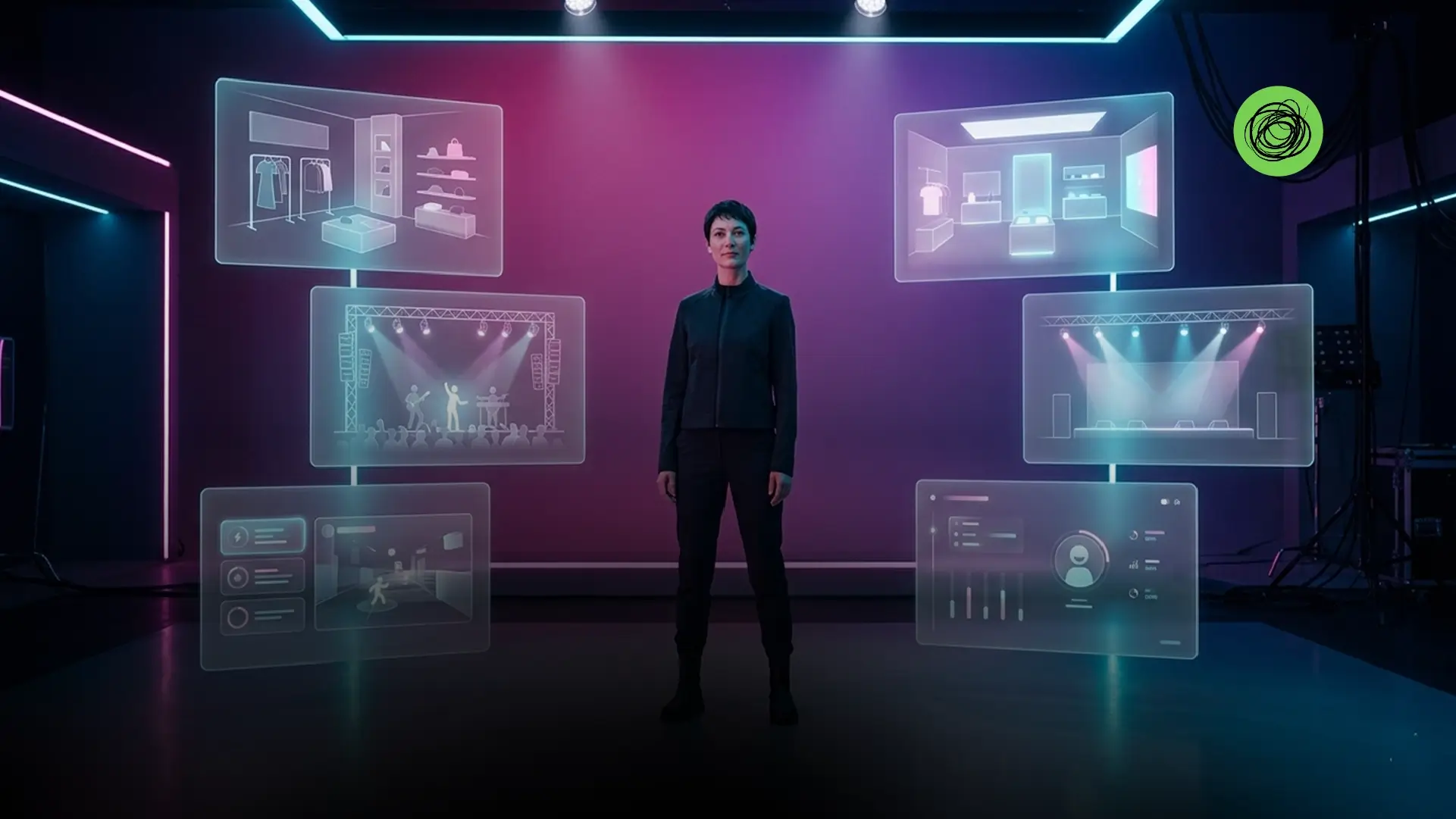
Marketing used to chase attention but now it has to earn hang time. In the metaverse nobody cares about ads, they care about places they can poke, play, and get lost in. Nike didn’t advertise, they built a playground, and Gucci didn’t sell, they built a vibe. That’s the shift. If people can interact, they stay, and if it feels like an ad they are already gone.
Attention Is Old News
Marketing used to chase attention. Now it has to earn hang time by giving people something worth staying for, not something they instantly scroll past.
Experiences Beat Campaigns
The game has changed. It is no longer about pushing products but creating moments people step into, engage with, and remember long after they leave.
Interaction Is Everything
If users can interact, they stay longer and care more. If it feels like an ad, they lose interest instantly and move on without thinking twice.
Brand Identity in the Metaverse:Beyond Traditional Campaigns
More Than Logos
A logo is recognition in the real world. In the metaverse, recognition alone is not enough. Brand identity becomes an immersive system built from emotion, interaction, sound, and living environments that evolve with the user.
The New Brand Language
Brand identity is no longer visual only. It becomes something users feel, hear, and experience.
What defines it now
Soundscapes that shape mood
Interactive environments that respond in real time
Physics-defying experiences that challenge reality
Emotional design that adapts to user presence
Example in Action
A fashion brand is no longer just clothing. It can create garments that glow in response to mood, shift patterns dynamically, or transform based on interaction.
A beverage brand is no longer just a drink. It can build a virtual lounge where avatars gather, connect, and build communities through shared experiences.
Identity as a Living System
In the metaverse, brand identity is not static.
It behaves more like an ecosystem that grows, reacts, and evolves. Updates change how users experience it
Collaborations reshape its personality, Events redefine its relevance The strongest brands will not define identity once. They will continuously redesign it.
The Challenges of Branding for the Metaverse

Of course, it’s not all glowing avatars and frictionless engagement. Branding for the Metaverse comes with its challenges. Intellectual property rights, ownership of digital assets, and platform fragmentation are major hurdles. Brands must also grapple with accessibility if your experience requires high-end hardware, how many people can actually join?
Trust is another big issue. With avatars and virtual goods, the line between genuine and artificial becomes blurry. Brands need to ensure transparency, ethical practices, and inclusivity. Otherwise, they risk alienating audiences who crave authenticity even in a virtual world.
This is where agencies like Thinkster play a vital role not just in designing experiences but in navigating the ethical, strategic, and technical complexities of Metaverse Branding. Because in the end, branding isn’t just about what you create, but how people feel when they engage with it.
The Future: Are Virtual Identities the New Normal?
For brands, this shift is not optional. It is a new baseline. The audience you are building for will exist in multiple environments at once, carrying different versions of themselves into each space. That means your brand needs to feel familiar, relevant, and consistent no matter where it is experienced. The challenge is not just to show up in both worlds, but to design for the connection between them.
Identity Is Expanding
People are no longer limited to one version of themselves. Digital avatars add new layers of expression that go beyond real world limitations.
Two Worlds, One User
Consumers will move between physical and virtual spaces seamlessly, expecting brands to exist consistently across both without feeling disconnected.
Ownership Looks Different Now
A product is no longer just physical. People will expect digital versions of what they own to exist and represent them online.
Experiences Continue Everywhere
A real world moment does not end there. It extends into virtual spaces, creating continuous brand interactions beyond a single touchpoint.
Conclusion: Thinkster’s Take on Branding for the Metaverse
The metaverse is not just a buzzword it’s a shift in how people connect, express, and consume. Branding for the Metaverse isn’t about chasing trends; it’s about rethinking identity, experience, and community in ways that were impossible before. Metaverse Branding, Virtual Identities, Digital Avatars, and Metaverse Marketing are no longer futuristic concepts they’re today’s playgrounds for forward-thinking brands.
For companies ready to explore this new frontier, Thinkster is here to guide the journey. We help brands build immersive experiences, craft avatar-driven strategies, and design Brand Identity in the Metaverse that resonates with audiences across both real and virtual worlds.
Because the future of branding won’t just be seen it will be lived. And in that future, your brand’s presence won’t just sit on a screen; it will walk, talk, and dance alongside the very people you’re trying to reach.
FAQ's
Virtual Identities are digital personas users create in the metaverse through avatars. These avatars represent how individuals choose to express themselves beyond their real world identity.
Brand identity in the metaverse goes beyond logos and visuals. It shapes immersive experiences using interaction, design, sound, and emotion to connect with avatar driven audiences.
Brands engage users through digital environments, virtual products, interactive events, avatar fashion, and community driven experiences that feel alive and participatory.
Key challenges include digital ownership rights, platform fragmentation, accessibility limitations, trust building, and ensuring ethical and inclusive virtual experiences.
No, virtual identities will not replace real identities. They will expand them, allowing people to express different versions of themselves across physical and digital spaces.